
Montpellier is one of those southern French cities that feels easy from the first hour: pale stone streets, big squares, plenty of sunshine and a food scene that makes lunch the main event. We went at the very end of October 2019 for a long weekend, mostly to see family who were there, and added a day trip to the Camargue, where hundreds of flamingos live in the wetlands. It is a great combination for a short escape.
At a glance
- How long: 3 to 4 days
- Best time: April to June and September to October; flamingos can be seen much of the year
- Getting there: Fly or take the train to Montpellier; a car makes the Camargue day much easier
- Good for: Long weekends, food markets, wildlife and relaxed city strolls
Top sights
- Place de la Comédie and the old centre
- The Écusson streets and squares
- The modern Antigone district
- Les Halles-style food markets
- The Camargue flamingos
- Aigues-Mortes and its walls
- Saintes-Maries-de-la-Mer
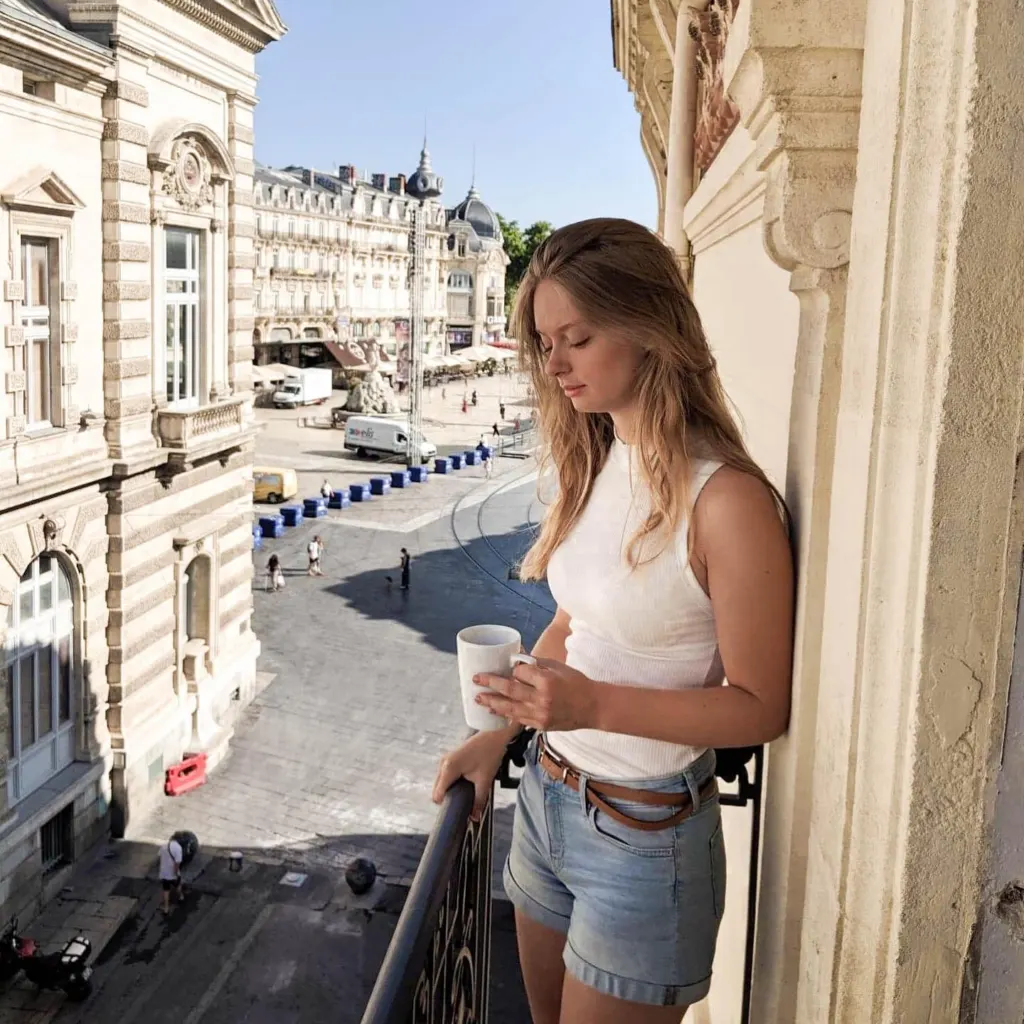
Our long weekend in Montpellier
We arrived on 31 October, after an early start with a beautiful sunrise, and we posted a story called “why we’re here”: a family trip. The brother of one of us was studying in Montpellier that semester, and we came back with her dad to catch up and explore the area. That gave the trip a very relaxed shape. We walked, ate and talked, and kept one day for something different.
Top sights in detail
The old centre
The historic heart of Montpellier is a maze of narrow streets that opens onto Place de la Comédie, the big pedestrian square with its opera house and fountain. Leave your map for an hour and wander: you will find small squares, courtyards and cafés that are quiet in the morning. Everything in the centre is walkable, so you rarely need a car or public transport.
The modern side of the city
On our second day we posted “this is the more modern area of Montpellier”. The city has a contemporary quarter with large neoclassical-style buildings and broad promenades along the river, which is a nice contrast to the old streets. It is a good place for a sunset walk, and it shows how different the city feels beyond the historic core.
A French lunch and the food market
We had a proper French lunch on day 2, and on our last day we went looking for food at the food market. That is our advice for the south of France in general: let markets and lunch menus guide your day. Arrive hungry, pick a few things and picnic if the weather is good. Ask a local stallholder what is in season and you will rarely be disappointed.
The Camargue and its flamingos
On 1 November we rented a car for the day, and the first stop was the highlight of the trip: the Camargue, the huge delta area where the Rhône meets the Mediterranean. Our story says “there are hundreds of flamingos here, how cute are they”, followed by “so peaceful”. The landscape is flat and wide, with salt pans, reed beds and lagoons, and in the quiet hours you hear little more than birds.
The Camargue is also known for its white horses and black bulls, and several towns here are worth a stop. Aigues-Mortes is a walled town on the edge of the salt marshes, and Saintes-Maries-de-la-Mer is a beach town with a fortress-like church. A car is the easiest way to link them, though organised tours also leave from Montpellier. Bring binoculars, a windproof jacket and insect repellent in summer. The Camargue also appears in our Hidden Provence villages worth a stop guide, which is a good next read if you want more of the south.
A suggested itinerary
- Day 1: arrive, walk the old centre and have dinner on a square.
- Day 2: rent a car and spend the day in the Camargue: flamingos in the morning, Aigues-Mortes in the afternoon.
- Day 3: the modern district, a long lunch and the market.
- Day 4: a last walk in the centre before you leave.
With more time, add a day at the beaches south of the city or a trip to the hills and villages north of Montpellier.
Where to stay
Stay in or near the old centre, close to Place de la Comédie, if you want to walk everywhere. The area around the train station is also handy for arrivals and departures and close to the centre. If you plan to rent a car, pick a place with parking, as streets in the centre are narrow.
Getting around and practical tips
- Montpellier has an airport and a main train station, and trams that link the centre to the outskirts.
- Rent a car only for the Camargue day; you do not need one in the city.
- Book the car in advance for weekends, and check the official site of any nature park for opening times.
- Pack layers: the wind can be strong in the delta, even in sunny weather.
- We left on 3 November “but we didn’t want to”; add a spare day if you can.
If the south has you hooked, our 10 best places to visit in the Provence and summer road trip through the Côte d’Azur and Provence give you the next steps, and our favourite European road trips collects more drives.
FAQ
Is Montpellier worth a weekend trip?
Yes. It is compact, sunny and friendly, with good food and an easy mix of old streets and modern districts.
When can you see flamingos in the Camargue?
Flamingos live in the area for much of the year. Early morning and quiet seasons are best; the bird park and reserves post current information.
Do you need a car for the Camargue?
It helps a lot. Distances are short, but public transport is limited, so renting for one day worked well for us.
How far is the Camargue from Montpellier?
Roughly 30 to 60 minutes by car, depending on which part of the Camargue you head to.



Leave a Reply